Materiality Reporting Tools for Latin America

Dec 16, 2025
Materiality reporting in Latin America demands tools that integrate ESG with finance, automate data and ensure local compliance for scalable, audit-ready disclosure.
Materiality reporting is becoming a key focus for businesses in Latin America as they face increasing pressure to disclose environmental, social, and governance (ESG) risks. To meet evolving regulatory demands and align with global standards, companies are adopting tools that streamline data collection, ensure compliance, and integrate sustainability metrics with financial systems. Here's what you need to know:
Purpose: Materiality reporting identifies ESG issues that significantly affect business operations and stakeholder decisions.
Challenges: Companies struggle with fragmented data, regulatory complexities, and limited resources for sustainability initiatives.
Solutions: Tools like Workiva, Novisto, Cority, and Enablon simplify reporting with automation, local compliance features, and integration with financial systems.
The right tool can save time, reduce errors, and help organisations meet both local and global ESG requirements. Selecting a platform that supports regional regulations, automates processes, and scales with your business is essential for staying ahead in this evolving landscape.
ESG materiality assessments
Materiality Reporting Tools for Latin America
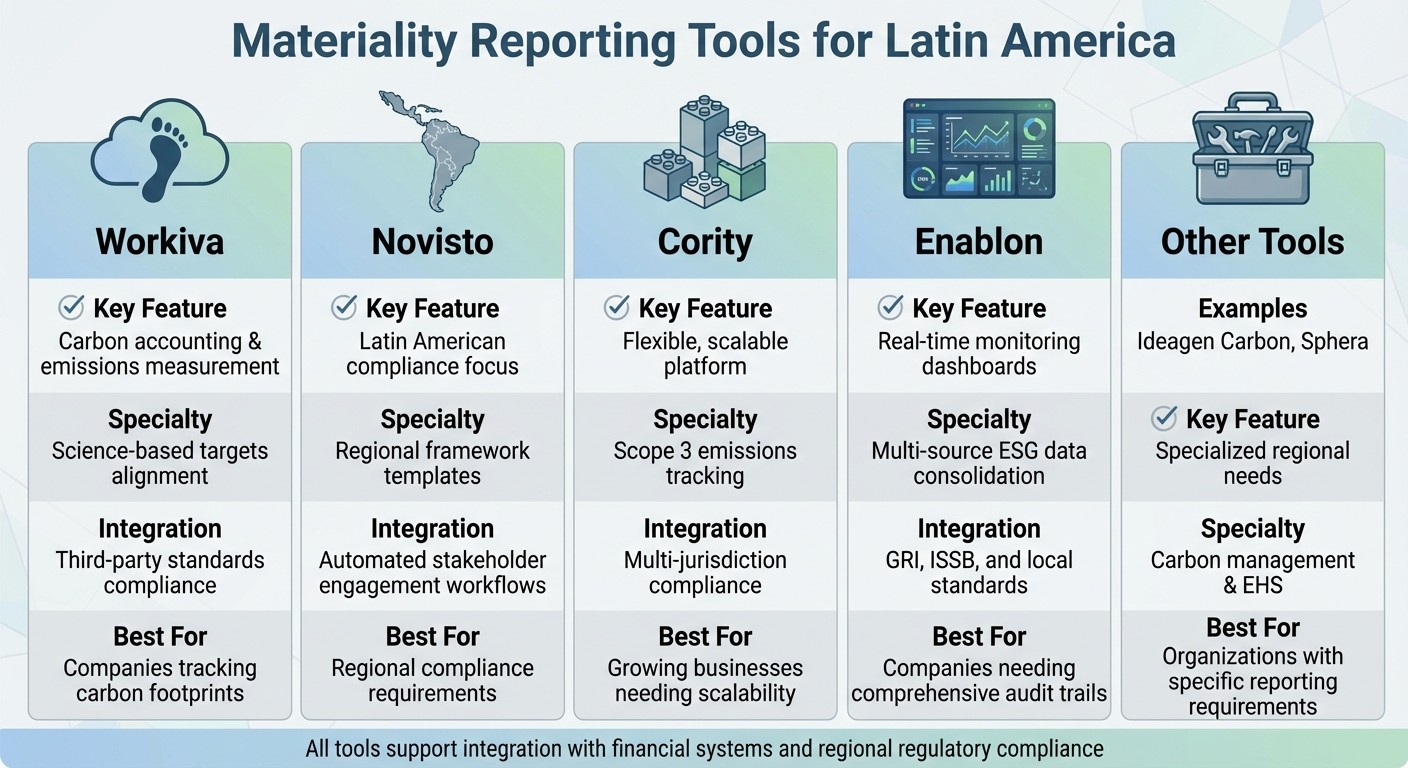
Top 5 Materiality Reporting Tools for Latin America: Features Comparison
With regulatory requirements evolving rapidly, Latin American companies are turning to specialised tools to meet both local and global compliance standards. These platforms are tailored to help organisations manage materiality assessments and ESG disclosures effectively, keeping in mind the unique demands of the region.
Workiva
Workiva is a cloud-based reporting platform that has expanded its capabilities in carbon accounting through its acquisition of Sustain.Life. It helps organisations calculate their carbon footprints, set science-based targets, and align with recognised third-party standards. This makes it a valuable tool for companies navigating both domestic and international frameworks. Edward Soffer, an ESG Manager, highlighted its impact, saying, "We're delighted to work with Sustain.Life to offer carbon emissions measurement capabilities to our investors so they can actualise their commitment to taking meaningful climate action."
Novisto
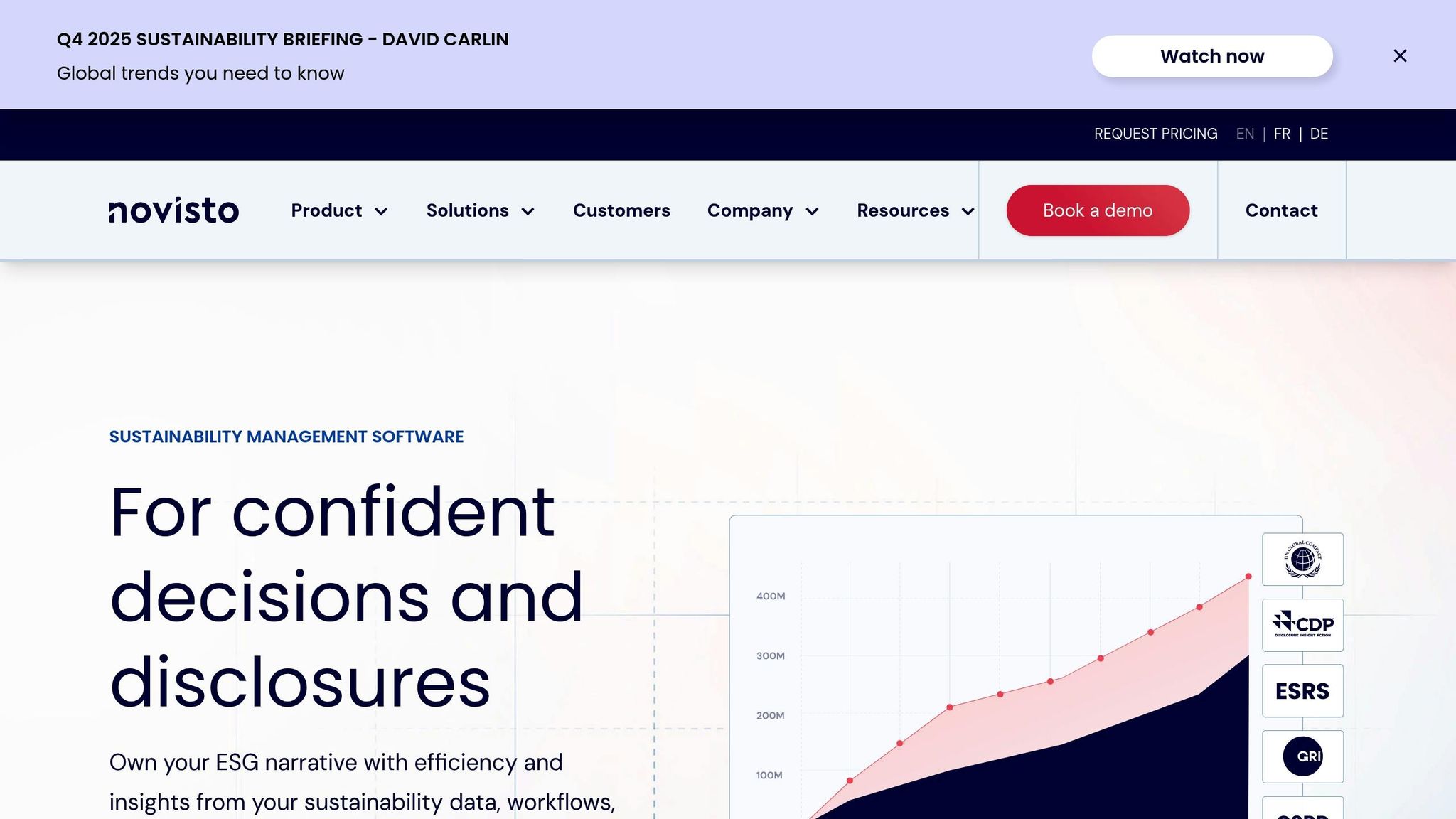
Novisto stands out for its focus on Latin American compliance. It simplifies materiality assessments by offering modules that streamline stakeholder engagement and data collection. The platform includes templates tailored to regional frameworks, while its automated workflows guide organisations from initial assessments all the way to disclosure, saving both time and effort.
Cority
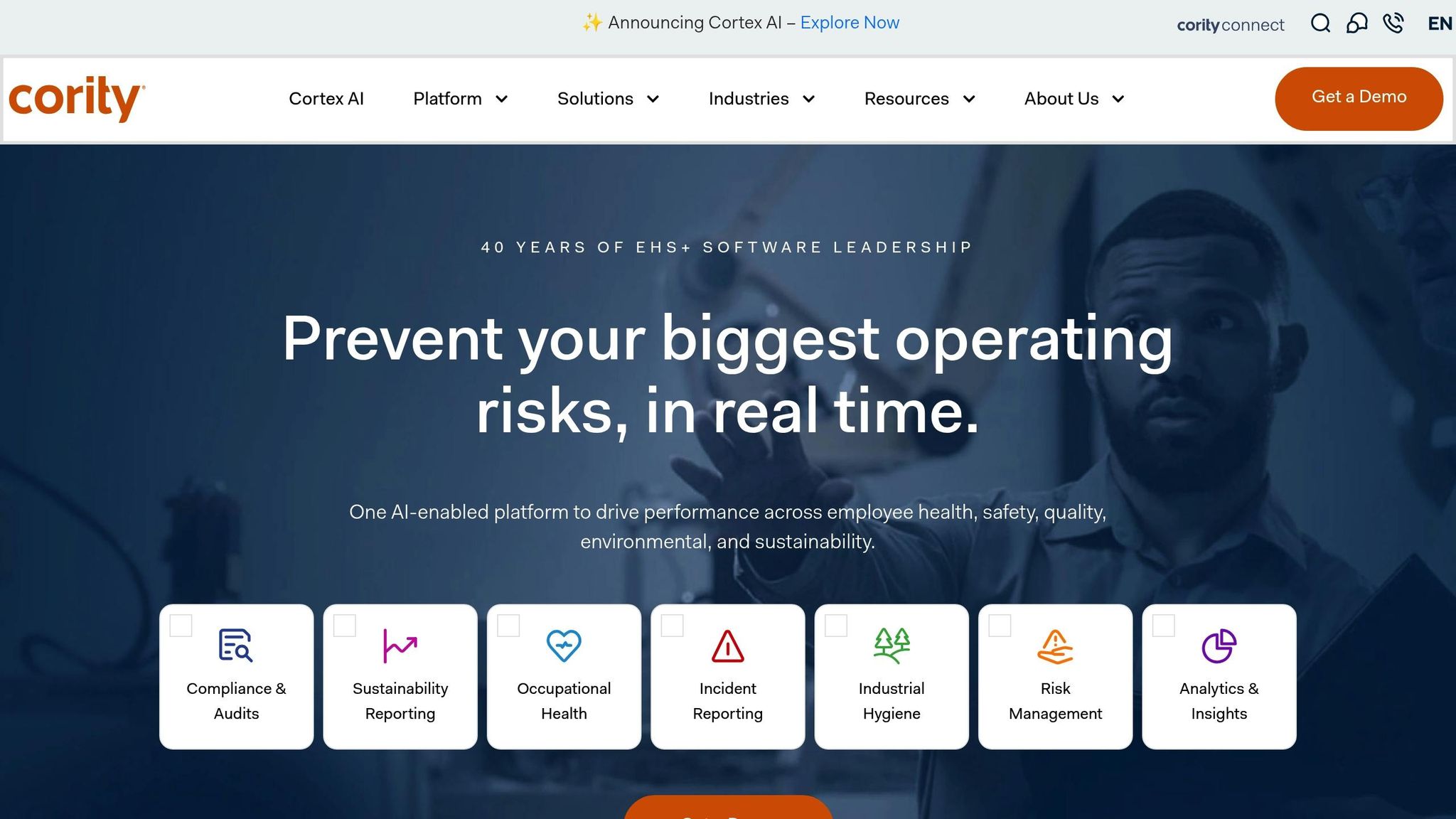
Cority provides a flexible platform designed to meet Latin American regulatory requirements. It includes features for tracking Scope 3 emissions and managing materiality assessments across various jurisdictions. Its modular setup allows businesses to scale the platform as their reporting needs grow, and its integration capabilities ensure smooth data flow from operational systems.
Enablon
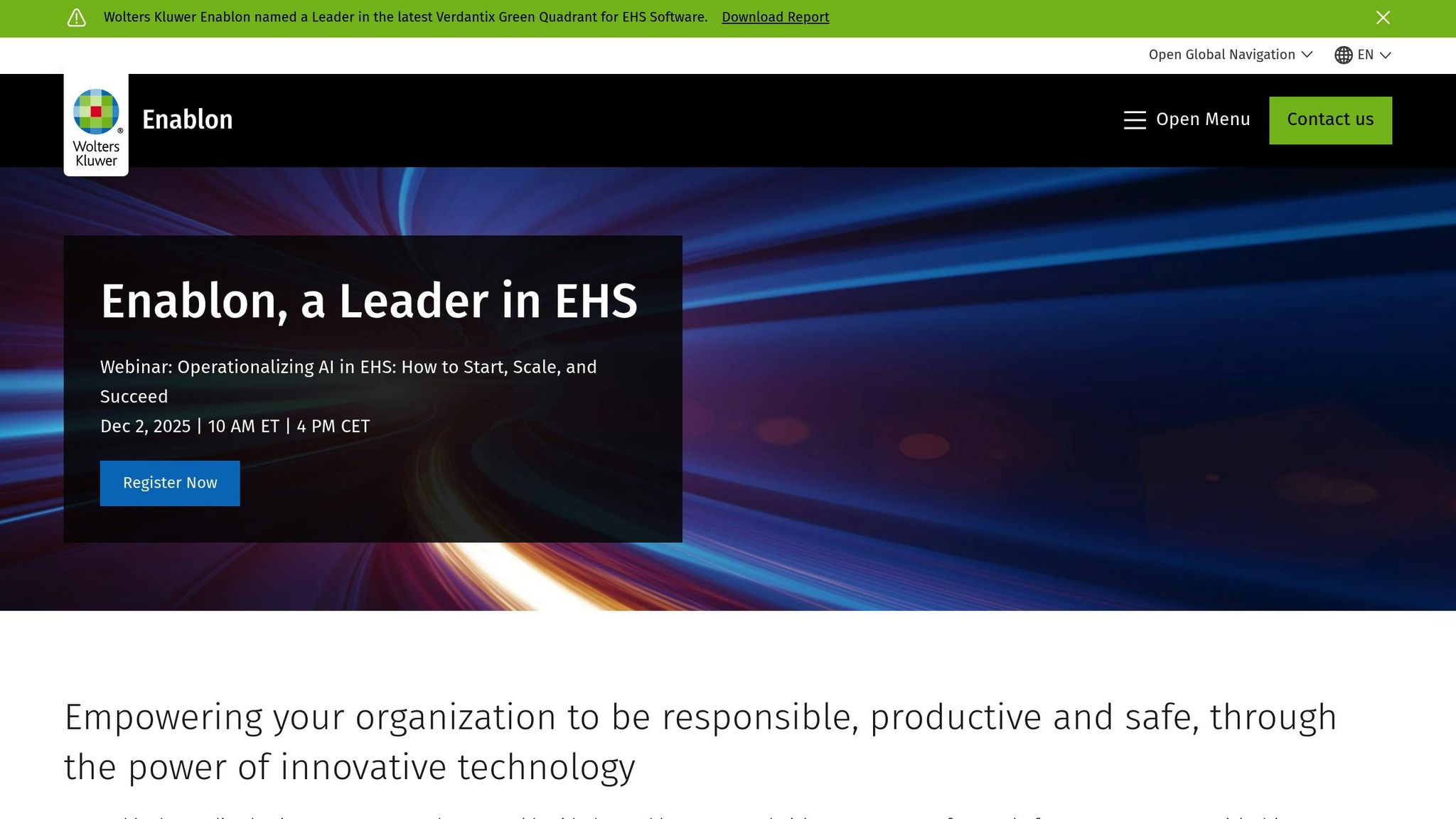
Enablon supports materiality reporting with automation tools customised for regional frameworks. It consolidates ESG data from multiple sources and ensures compliance with local regulations through detailed audit trails. The platform’s dashboards allow real-time monitoring of material issues, while its reporting engine generates disclosures aligned with global standards like GRI and ISSB, as well as local requirements.
Other Tools
Beyond the major platforms, tools like Ideagen Carbon and Sphera cater to specific regional needs in Latin America. Ideagen Carbon focuses on carbon management and climate risk, while Sphera offers broader capabilities in EHS and sustainability management. These tools are adaptable to various operational and compliance needs, making them a good fit for organisations with specialised reporting requirements.
What to Look for in Materiality Tools for Latin America
After discussing the regulatory challenges, let’s dive into the key factors to consider when selecting a materiality reporting tool. The ideal tool should strike a balance between compliance, efficiency, and scalability. Businesses in Latin America face unique hurdles, from adhering to regional regulations to managing data across various systems and geographies. These criteria build on the earlier exploration of tool functionalities and regulatory complexities.
Regulatory Compliance and Local Support
A good tool must cater to both regional frameworks and global standards. While alignment with international reporting standards like GRI and ISSB is crucial, it’s equally important for the platform to address local legislative demands. Support for Spanish and Portuguese is essential to facilitate smooth communication with stakeholders. Additionally, customisable settings for specific legislative requirements in different Latin American countries ensure ongoing compliance as regulations evolve.
Automation and System Integration
Efficiency hinges on seamless data integration. Relying on manual data collection can slow processes and increase the risk of errors. Tools that integrate directly with financial systems like Xero, Sage, or QuickBooks streamline the process by pulling sustainability data directly from financial records. For larger companies, compatibility with ERP systems such as SAP or Microsoft Business Central ensures sustainability metrics are embedded into complex workflows. Features like automatic categorisation of financial transactions into sustainability metrics reduce manual workload and improve precision. This approach aligns with financially-integrated sustainability management, offering accurate data with less administrative effort.
Scalability for Different Business Sizes
Whether you’re a small business or a large corporation, the tool should meet your specific needs. SMEs often require quick setup and user-friendly interfaces, while larger organisations need robust, centralised systems to handle growing operational complexity. Modular platforms that expand as your business scales or diversifies across Latin American markets are a smart choice. Tools that integrate with a wide range of systems ensure you won’t outgrow their capabilities, no matter how your operations evolve.
How to Implement Materiality Reporting Tools
Now that we've covered the factors to consider, let's explore how to effectively implement a materiality reporting tool. A well-thought-out plan is essential, addressing everything from technical integration to adapting to regulatory changes and accommodating a diverse range of stakeholders.
How to Conduct a Materiality Assessment
Start by consolidating emissions and environmental data into a single platform. This gives you a clear baseline for understanding the sustainability issues that matter most to your business and its stakeholders. Engage with key groups - employees, customers, suppliers, and local communities - to align their priorities with both regional regulations and international frameworks like GRI and ISSB. With these insights, create targeted strategies to cut carbon emissions and communicate your progress through audit-ready reports. Using a "Measure, Manage, Report" approach provides a structured framework that can be tailored to the specific needs of various Latin American jurisdictions.
How to Select a Vendor
Choosing the right vendor is crucial. Look for tools that integrate seamlessly with your existing financial systems, such as Xero, Sage, QuickBooks, SAP, or Microsoft Business Central. This ensures you can leverage your current data and streamline onboarding. Check that the tool can be customised to meet national requirements and offers strong support features, including audit-ready controls to simplify compliance.
Key features to evaluate include:
Customised onboarding programmes
Dedicated customer success managers
24/7 support with detailed guides and tutorials
Additionally, ensure the tool includes a centralised hub for policies and evidence, which simplifies verification processes and demonstrates compliance to local authorities.
Once you've selected a vendor, the next step is embedding the tool within your organisation through training and change management.
Training and Change Management
A strong onboarding programme is essential for getting started quickly. The right support can help your organisation begin calculating emissions almost immediately. Assign customer success managers to guide teams through the tool’s features and address any operational challenges. Choose tools that standardise new practices across your organisation and automatically update to meet requirements from frameworks like GHGP, SECR, and UK SRS. This reduces the need for staff to navigate complex regulations manually.
Encourage collaboration by fostering a community of practitioners within your organisation. This peer network can provide ongoing support and drive continuous improvement in sustainability reporting. For companies aiming to embed sustainability into their financial processes from the beginning, consider how integrating finance and sustainability can reshape your approach. For more insights, check out the neoeco FISM manifesto.
Conclusion
Choosing the right materiality reporting tool in Latin America means balancing local regulations with international standards. As the region increasingly aligns with global frameworks like ISSB, companies need tools that can handle both national requirements and shifting global expectations. The platforms highlighted in this overview cater to a variety of organisational needs, offering flexibility, integration capabilities, and tailored support.
Technological advancements are reshaping materiality reporting. Modern systems now link directly with financial ledgers, cutting out manual data entry and providing real-time sustainability insights. This integration simplifies processes, boosts accuracy, and helps organisations track progress towards reduction goals with ease. For businesses aiming to embed sustainability into their financial operations from the start, this approach can streamline workflows and enhance reporting efficiency.
The market is also evolving, with specialised carbon management platforms merging into larger, all-encompassing systems. This consolidation reflects the growing demand for comprehensive, audit-ready solutions. Companies in Latin America should focus on tools that offer automated data matching, built-in controls, and strong implementation support to ensure compliance and efficiency. As regulations become stricter and stakeholders demand more transparency, having the right technology partner is key to maintaining credibility and showing real progress.
These trends highlight the importance of tools that not only address current challenges but also support future growth. The ideal materiality reporting solution is one that evolves alongside your organisation, adapts to regulatory changes, and provides the transparency needed to build trust with stakeholders. Whether you’re a multinational or a regional business, investing in a solid reporting system today sets the foundation for meeting tomorrow’s sustainability expectations.
FAQs
What should I consider when choosing a materiality reporting tool for Latin America?
When choosing a materiality reporting tool for Latin America, focus on features that simplify the process and meet compliance standards. Prioritise tools with automated data collection to minimise manual work, audit-ready controls to maintain transparency, and finance-grade reporting for precise results. Extras like scenario modelling and custom-branded reports can also enhance the overall experience.
It's equally important to ensure the tool supports global data integration, allowing alignment with established frameworks such as GHGP, ISO 14064, and local reporting requirements. A solution that can handle complex sustainability metrics with ease will make managing materiality reporting far more efficient.
How do materiality reporting tools help organisations comply with local and global ESG standards?
Materiality reporting tools simplify compliance by automating the process of collecting and analysing sustainability data. They align this data with established frameworks like the GHGP, ISO 14064, and regulations such as SECR, UK SRS, and ASRS 2. This not only reduces the need for manual work but also enhances accuracy and ensures the documentation is ready for audits.
By linking sustainability data with financial reporting systems, these tools offer a seamless way to address both local and global ESG requirements. This allows organisations to stay compliant while concentrating on achieving their broader sustainability objectives.
Why is automation essential for materiality reporting in Latin America?
Automation is transforming how businesses in Latin America handle materiality reporting by streamlining data collection and improving precision. By removing the reliance on manual processes, it significantly reduces the chance of errors while also saving valuable time and resources.
With automated systems in place, companies can produce finance-grade, audit-ready reports that meet both local and international regulatory requirements. This approach not only enhances operational efficiency but also frees up businesses to concentrate on achieving their strategic sustainability objectives with greater assurance.