How AI Simplifies Scope 3 Emission Calculations

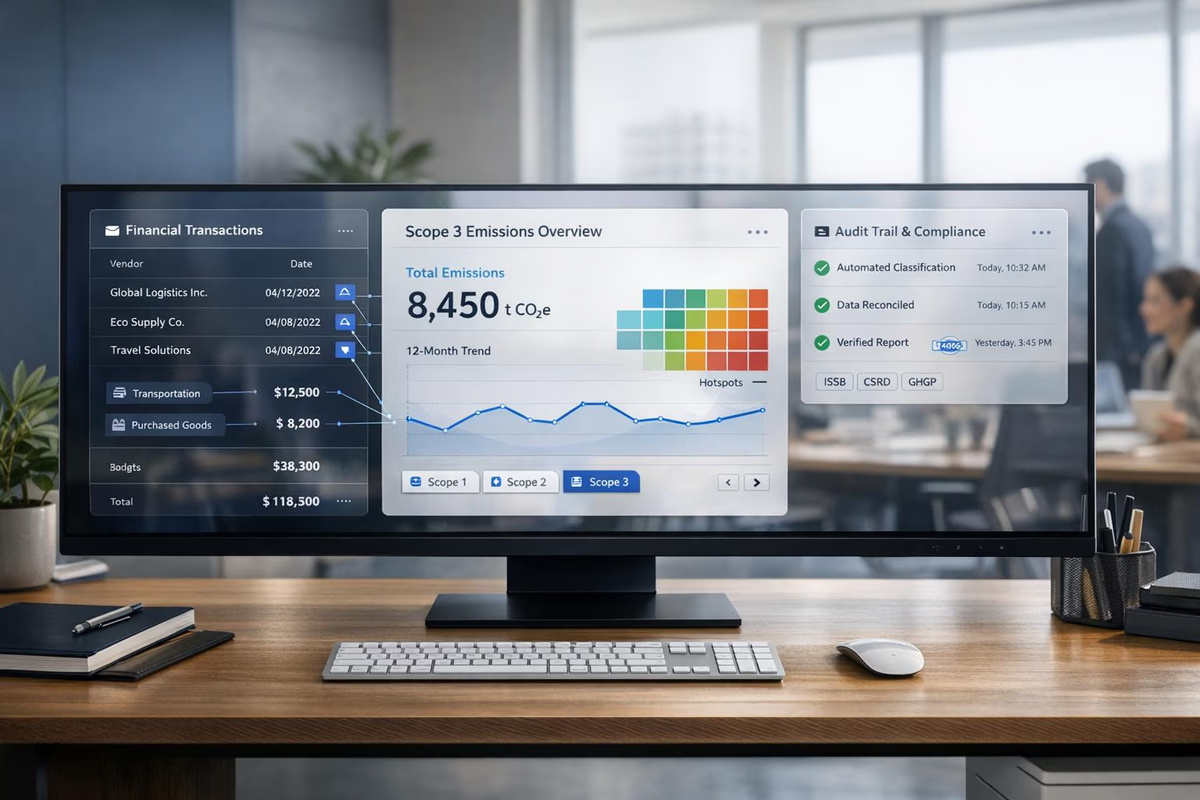
Scope 3 emissions are the largest part of a company's carbon footprint and the hardest to measure. They include indirect emissions from the supply chain, business travel, waste, and product use. Companies struggle with incomplete data, inaccurate estimates, and time-consuming manual processes.
AI tools solve these problems by automating data collection, mapping financial transactions to emissions categories, and using machine learning for accurate estimates. These tools save time, improve accuracy, and help businesses comply with reporting standards like GHGP and UK SRS. Platforms like neoeco integrate with accounting software, offering real-time insights and audit-ready reports.
Key takeaways:
- Scope 3 emissions: Indirect emissions across the value chain, often 11.4x larger than direct emissions.
- Challenges: Data gaps, reliance on estimates, and manual reporting.
- AI solutions: Automate processes, provide accurate data, and simplify compliance.
- neoeco: A platform tailored for UK accounting firms, integrating with tools like Xero and QuickBooks for efficient reporting.
With regulations tightening, AI-powered tools are becoming essential for managing Scope 3 emissions effectively.
Sustainability Meets Profitability: AI Strategies for Scope 3 Success
How AI Simplifies Scope 3 Calculations
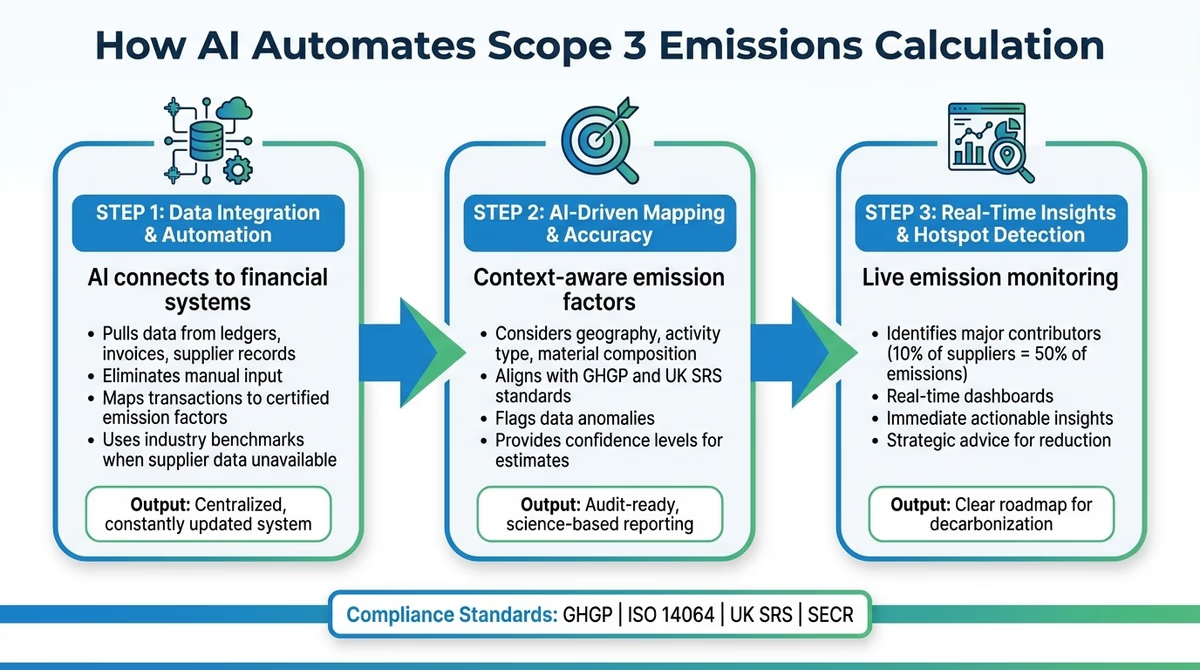
How AI Automates Scope 3 Emissions Calculation: 3-Step Process
Artificial intelligence takes complex, scattered data and turns it into audit-ready reports by seamlessly integrating financial records, mapping transactions, and pinpointing emission hotspots. This approach aligns with strict frameworks like GHGP, ISO 14064, and UK SRS. By automating these processes, AI not only simplifies reporting but also paves the way for improved compliance and actionable insights.
AI for Data Integration and Automation
AI tools directly connect to financial systems, pulling information from ledgers, invoices, and supplier records - completely removing the need for manual input. Machine learning processes this data, mapping each transaction to certified emission factors. When supplier-specific data is unavailable, AI steps in to estimate emissions using industry benchmarks, geographic data, and material similarities. This creates a constantly updated, centralised reporting system.
Better Accuracy Through AI-Driven Mapping
AI improves accuracy by using context-aware emission factors that take into account geography, activity type, and material composition - far more precise than generic activity vs spend-based carbon accounting methods. These calculations align with GHGP and UK SRS standards, ensuring they meet audit requirements. Machine learning also flags anomalies in the data and provides confidence levels for each estimate, offering auditors transparency into assumptions made. This results in science-based reporting that holds up under detailed reviews.
Real-Time Data and Emission Hotspot Detection
AI goes beyond accuracy by giving companies real-time insights into their emission sources. Machine learning pinpoints major emission contributors - often revealing that just 10% of suppliers account for 50% of emissions. Real-time dashboards highlight these hotspots, allowing businesses to take immediate action. For accounting firms handling multiple clients, these tools mean quicker insights and more strategic advice. Lisa Bouari, EY Regional AI Leader for Oceania, sums it up well:
"AI transforms Scope 3 emissions from a data labyrinth into a clear roadmap. By bringing together sustainability expertise and AI-driven insights, businesses can make real, measurable progress on decarbonisation."
For firms aiming to deliver Scope 3 emissions reporting with confidence, AI-powered solutions are becoming indispensable.
Benefits of AI for Scope 3 Emission Reporting
AI-driven tools are reshaping Scope 3 emission reporting by streamlining compliance, boosting efficiency, and even opening up new revenue opportunities. Here's how these benefits translate into practical solutions:
Meeting Compliance and Audit Requirements
AI bridges the gap in data accuracy by processing millions of purchase-order lines within minutes. Instead of relying on activity-based vs spend-based emission methods, it creates precise, verifiable baselines. Using machine learning, transactions are automatically categorised and matched to recognised emission factors, ensuring compliance with standards like GHGP, ISO 14064, SECR, and UK SRS. This level of precision not only meets audit requirements but also provides transparency through science-backed methods. For organisations juggling ISSB reporting obligations, this kind of audit readiness is a game-changer.
Time Savings and Managing Multiple Clients
Manual reporting is time-consuming and limits how many clients a firm can effectively serve. AI platforms solve this by automating transaction categorisation and offering centralised dashboards. This efficiency allows firms to take on more clients without compromising on quality. Considering that Scope 3 emissions often make up over 80% of total greenhouse gas emissions for multinational corporations, the time saved through automation can be monumental.
New Revenue Streams for Accounting Firms
AI platforms also unlock new revenue opportunities. Firms can offer tiered service packages, such as basic compliance for small businesses at £34 per month and advanced Life Cycle Assessment data for larger organisations at £99 per month. Additionally, white-labelling features let firms create branded reports and client portals, enhancing their professional image. With California SB 253 mandating phased Scope 3 disclosures from 2027 (based on 2026 data), the demand for these services is only set to grow. As neoeco aptly states:
"Sustainability is the next big opportunity in accounting. neoeco helps you turn it into a professional, profitable service that keeps your firm ahead of the curve".
neoeco: AI-Powered Scope 3 Calculation Software
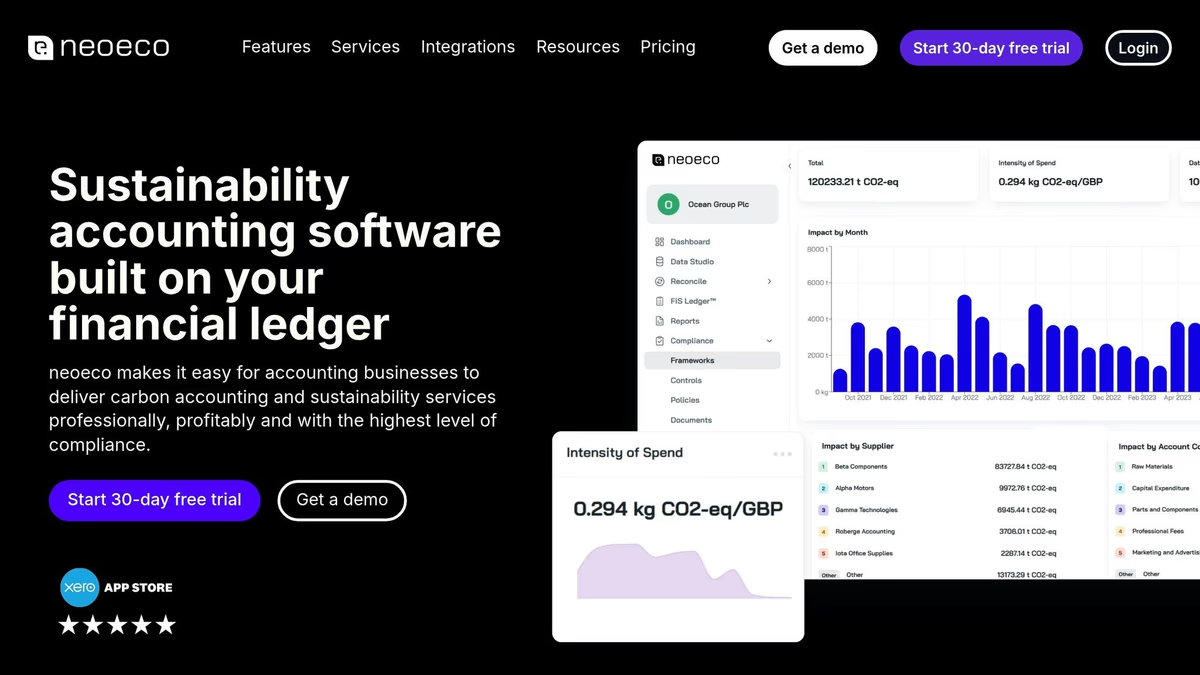
With its AI-driven emission reconciliation capabilities, neoeco offers a specialised solution for accountants tackling Scope 3 emissions. Tailored for UK accounting firms, this platform transforms Scope 3 complexities into a revenue opportunity. Unlike generic ESG tools, neoeco integrates directly with accounting software like Xero, Sage, and QuickBooks, delivering precise carbon data without relying on spreadsheets or manual data handling.
Automatic Transaction Mapping from Financial Data
neoeco seamlessly connects to clients' accounting systems, extracting financial transactions and mapping them to Scope 1, 2, and 3 categories. Using AI-powered logic aligned with GHGP standards, the platform handles supplier invoices for upstream Scope 3 categories and customer sales for downstream categories. By automating this process, neoeco eliminates manual errors and avoids double-counting. It also addresses challenges like inconsistent data granularity by working directly with finance-integrated information. This automated mapping ensures a solid foundation for compliance-ready reporting.
Pre-Built Templates for UK Compliance
neoeco simplifies compliance with pre-built templates for SECR, UK SRS, and ASRS 2. These templates allow firms to generate branded, audit-ready reports directly from mapped financial data. Scope 3 data is automatically populated from accounting systems, producing reports formatted in metric units, GBP, and DD/MM/YYYY dates. By automating these processes, firms report up to 80% time savings on Scope 3 reporting, enabling them to shift focus from manual tasks to higher-value advisory services.
Live Dashboards and Multi-Client Management
neoeco's live dashboards provide real-time insights into Scope 3 emissions, highlighting hotspots, trends, and breakdowns by GHGP category in metric tonnes CO₂e. This visibility helps firms identify issues like supply chain emissions and offer proactive advice to clients. For firms managing multiple clients, neoeco offers a unified platform with individualised dashboards for each client, showing compliance status for SECR/UK SRS and aggregated insights at the firm level. Whether working with SMEs or larger organisations, the platform scales effortlessly to meet diverse needs. To see how neoeco fits into a financially-integrated Scope 3 management strategy, its dashboards provide the real-time data needed to turn compliance into a strategic advantage.
Conclusion
Calculating Scope 3 emissions has always been a complicated task. However, AI-powered tools like neoeco are turning this challenge into a practical and profitable service for accounting firms. By integrating directly with financial systems such as Xero, Sage, or QuickBooks, these platforms provide reliable, audit-ready carbon data.
AI simplifies this process by automating even the most detailed calculations. Instead of relying on generic spend-based estimates, supplier-specific data and lifecycle assessments (LCA) now offer more precise results. These tools map thousands of transactions to recognised emissions categories while maintaining a complete audit trail. For UK accounting firms, this means saving significant time on Scope 3 reporting, allowing them to focus on more valuable advisory services. This efficiency creates opportunities for tangible benefits.
"Leaders who step up to the Scope 3 emissions reporting challenge can turn a compliance headache into a competitive advantage – cutting costs, driving innovation and strengthening supplier relationships in the process." – Emma Herd, Co-leader, EY Net Zero Centre
With 93% of confident CEOs identifying AI and technological disruption as essential for future success, adopting AI-powered tools positions your firm for long-term growth. Platforms like neoeco, starting at £34/month per company, make this shift achievable for firms of any size. To learn more about financially-integrated sustainability management, these tools bridge traditional accounting with the growing demand for sustainability expertise.
Firms that embrace AI-driven Scope 3 solutions now will set themselves apart - delivering accurate reports and unlocking recurring revenue opportunities.
FAQs
How does AI enhance the accuracy of Scope 3 emission calculations?
AI plays a key role in improving the accuracy of Scope 3 emission calculations by automating tasks that were once manual and prone to mistakes. It cross-checks data, pulls in real-time information from various sources, and aligns supply chain activities with the right emission factors, ensuring calculations are both consistent and precise.
By minimising human errors and simplifying workflows, AI enables accounting firms to produce finance-grade carbon data and create audit-ready reports without hassle. This automation not only saves valuable time but also ensures adherence to recognised standards like the GHGP and ISO 14064, making sustainability reporting smoother and more dependable.
How does neoeco help accounting firms simplify Scope 3 emission calculations?
neoeco takes the complexity out of Scope 3 emission calculations by automating carbon accounting directly from clients’ financial data. It links transactions to recognised emissions categories, adhering to frameworks like the Greenhouse Gas Protocol (GHGP), ISO 14064, and UK-specific standards such as SECR (Streamlined Energy and Carbon Reporting) and SRS (Sustainability Reporting Standards). This eliminates the hassle of spreadsheets and manual conversions, ensuring the carbon data is precise, audit-ready, and compliant with relevant regulations.
For accounting firms in the UK and Australia, neoeco offers a streamlined way to track and report indirect emissions across the value chain. By integrating supplier ESG data and automating reporting workflows, it cuts down on manual effort, enhances data accuracy, and keeps firms aligned with evolving sustainability requirements. This enables firms to confidently provide professional, efficient, and profitable sustainability services.
How can AI simplify compliance and audits for Scope 3 emissions?
AI makes managing compliance and audits for Scope 3 emissions much easier by automating tasks like gathering, organising, and reporting data. Since Scope 3 emissions often come from indirect sources across supply chains, they require information from various places - like supplier invoices or financial records. AI tools can pull this data together and categorise it into recognised emissions groups, cutting down on manual work while boosting accuracy.
By aligning the collected data with established frameworks such as the GHG Protocol or ISO 14064, AI ensures that reports are both dependable and ready for audits. These tools also allow for real-time monitoring, helping organisations pinpoint critical areas and keep their records current for regulatory checks. In short, AI streamlines the process, improves transparency, and provides confidence in compliance efforts for Scope 3 emissions reporting.